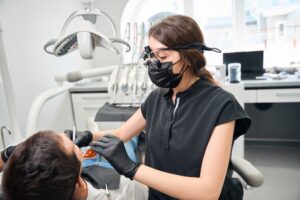

After your tooth implant procedure, you can expect a predictable recovery if you follow clear implant care steps. This guide explains practical implant care, typical recovery timelines, follow-up visits, possible complications to watch for, and next steps for anyone considering a dental implant. Read on for easy, step-by-step advice to protect your new tooth and speed healing.
Immediate recovery: first 24–72 hours
Managing bleeding and swelling
Some bleeding and swelling are normal right after surgery. Bite gently on gauze for 30–60 minutes to control bleeding. Use an ice pack on your cheek in 20-minute intervals for the first 24 hours to reduce swelling. Avoid heavy spitting or rinsing during the first 12 hours so the clot can form.
Pain control and medications
Take prescribed pain medicines exactly as directed. Over-the-counter options like ibuprofen or acetaminophen can help if your dentist approves. Do not mix medications without checking with your clinician. If you are on blood thinners or other drugs, follow your dentist’s instructions about safe use and timing.
Eating, drinking, and activity
Stick to soft foods and cool or lukewarm drinks for the first few days. Avoid hot liquids, crunchy foods, and anything that needs biting. Do not use straws and avoid smoking — both can disturb healing. Rest and avoid strenuous activity for at least 48–72 hours.
Note: early implant care in Flowood, MS focuses on these first actions to protect the surgical site and lower the risk of problems.
First two weeks: wound care and early follow-up
Sutures, oral hygiene, and rinses
Keep your mouth clean but be gentle near the surgical area. Brush other teeth normally and use a soft brush near the implant. Rinse with a warm salt water solution (½ teaspoon salt in 8 ounces of warm water) starting 24 hours after surgery, 2–3 times daily. Use any prescribed antimicrobial rinse as directed. If you have sutures, they may dissolve or be removed at your first visit.
When to return for the first check
Your first follow-up is usually 1–2 weeks after surgery. The clinician will check healing, remove non-dissolving stitches if needed, and confirm there are no signs of infection. Bring a list of current medications and any questions about pain or swelling.
Weeks 3–12: osseointegration and the dental implant settling in
What is osseointegration?
Osseointegration is the process where bone grows and fuses to the dental implant. This gives the implant long-term strength and stability. It usually takes several weeks to a few months. During this time avoid strong chewing on the implant site until your dentist confirms the implant is stable.
Eating, temporary restorations, and activity limits
You may get a temporary crown or denture while the implant heals. Eat softer foods and chew on the opposite side when possible. Light exercise is fine, but avoid contact sports or heavy lifting until your provider says it’s safe. Watch for steady improvement—less pain and swelling and stronger biting feel are good signs.
Long-term implant care and maintenance
Good implant care is ongoing. Daily home care should include gentle brushing twice a day, flossing or using interdental brushes around the implant, and rinsing as recommended. Electric toothbrushes and water flossers can help but use them gently near healing tissue.
Schedule routine professional maintenance every 3–6 months or as your dentist recommends. These visits include cleanings, exams, and periodic x-rays to check bone levels and the implant’s position. Lifestyle choices matter: quit smoking, wear a night guard if you grind your teeth, and avoid chewing very hard objects. For lasting results, regular implant care in Flowood, MS helps protect your investment and oral health.
Warning signs: when to call your dentist
- Increasing or severe pain that doesn’t improve with medication
- Heavy or prolonged bleeding after the first 24 hours
- Fever, swelling that worsens after 72 hours, or redness spreading beyond the area
- Loose implant or feeling that the implant is moving
- Prolonged numbness or tingling, or unusual drainage from the site
In an emergency (uncontrolled bleeding, high fever, severe swelling that affects breathing), contact your dental office or local emergency services immediately. When you call your dental team, be ready to describe your symptoms, when the procedure was done, and what medications you are taking.
Why choose a full-service implant studio for your care
A full-service implant studio provides on-site digital imaging, guided surgery, and sedation options. These tools improve accuracy, lower the chance of surprises, and make the experience more comfortable. Coordinated care under one roof means your surgeon, lab techs, and restorative dentist work together for predictable results.
Revive Denture & Implant Studio offers coordinated care, financing options, and patient education to support safe implant care. Their use of digital planning, intraoral scanning, and surgical guides helps ensure precise placement and durable restorations while keeping patient comfort in mind.
Next steps: getting help with implant care in Flowood, MS
To book a follow-up or consultation for implant care in Flowood, MS, call the clinic or use the online booking tool. Bring a list of medications, any recent x-rays if available, and notes about symptoms or concerns. If you’re considering a dental implant, schedule an initial consult to review options, costs, and a personalized treatment plan.
Contact Revive Denture & Implant Studio with questions about aftercare, long-term maintenance, or to arrange a visit for implant care in Flowood, MS.